Reliable electric oven or stove fault diagnosis and repairs
We assess electric ovens, freestanding stoves, hobs and built-in cookers with faulty heating, erratic temperature, failed controls or electrical faults. The point of diagnosis is to find whether a heating element, thermostat or sensor, switching component, fan or power supply is responsible, rather than replacing parts by trial and error.
In Montana homes, a failed oven can mean a built-in unit beneath a hob or a freestanding cooker supplied by a dedicated circuit. We ask how the equipment is connected and whether the fault affects only one cooking function. These details matter when tracing a bad element, control or supply fault without unnecessary replacement.
Faults we can assess
In Montana, one failed cooking function may indicate a separate element or regulator path rather than the entire cooker being defective. We ask which settings still work and whether the fault affects a single hob plate or the oven cavity. A fan that spins normally does not establish that an element or temperature control has power.
- Oven heats slowly or fails to reach its set temperature
- Hob plate remains cold or overheats
- Fan runs but the oven does not heat as expected
- Breaker trips, control display fails or cooking stops mid-cycle
The oven fan moves but the food remains undercooked
A working fan does not prove the convection element is heating. We compare fan-only and heating modes, if the appliance supports them, and inspect whether the element is energised correctly and safely. A failed element, selector or wiring connection can each produce different symptoms; the diagnosis should identify which path is interrupted.
One electric hob plate heats too aggressively
A plate that remains at maximum heat after its setting is reduced could have a switching or regulating fault. Continued use creates a burn and fire risk. We assess the plate control type and compatible replacement parts instead of assuming every stove uses the same regulator.
Control panel dark after a power event
Loss of the display may follow a supply interruption, a tripped protective device or a failed internal control. We verify safe supply conditions before fault-finding inside the appliance; frequent tripping is reason to stop use rather than keep resetting the breaker.
A practical repair plan, not unnecessary parts
For an oven that runs its fan but does not bake in Montana, we ask whether grilling still works and whether a fan-only setting has been selected accidentally. A separate ring element, selector path or heating control may be involved. We use the function comparison to guide electrical testing rather than assuming the fan motor needs replacement simply because it is the most visible moving part.
An electric plate staying at full heat regardless of dial setting deserves prompt attention. It may involve a stuck regulator, switch contacts or related wiring. We recommend keeping the zone off until the fault is investigated. A heater that remains energised is a different risk from one that never warms, and any repair must use components with suitable electrical ratings.
What we check before recommending a repair
We consider the extent of a fault before advising on parts: an accessible heating element is usually a different proposition from heat-damaged control wiring. When an electric plate cannot regulate its heat, the repair must restore safe switching rather than simply keep the zone usable. Replacement components should meet the maker’s electrical specifications.
If the stove has several deteriorated controls or scorched wiring, we discuss the wider condition rather than replacing one plate and ignoring associated faults. For a built-in unit, mounting and circuit isolation arrangements must be confirmed before removal. A clear quote should identify whether testing points to a heat source, selector or supply repair.
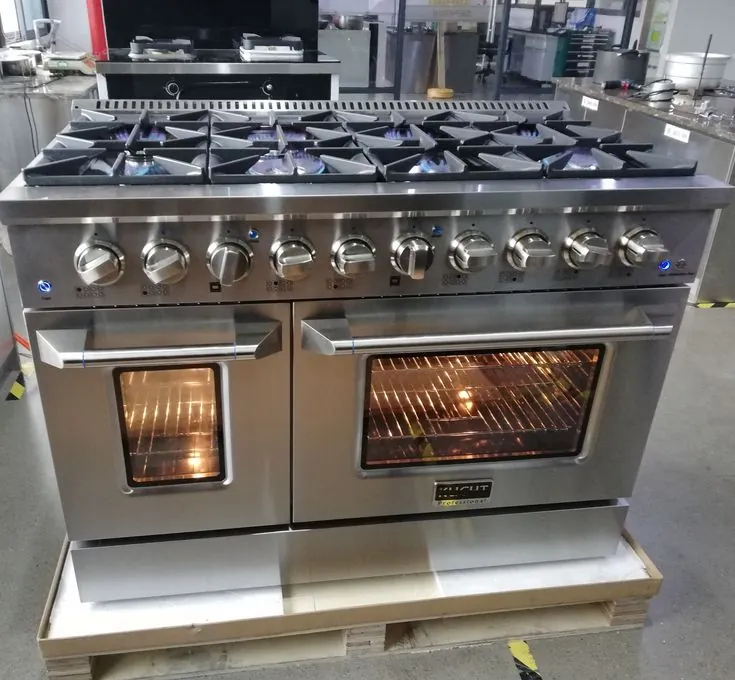
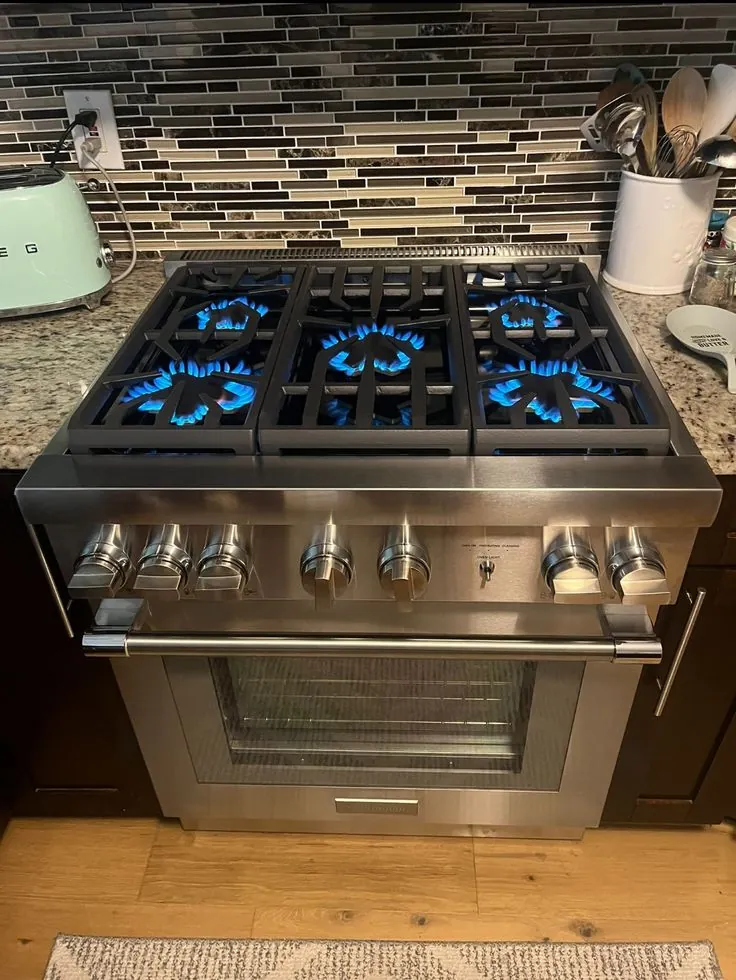
Inspecting the equipment behind the fault
We investigate the working parts, electrical controls and installation conditions involved before recommending what should be repaired.
Preparing for your Montana service visit
Let us know whether the appliance is a built-in oven, a freestanding stove or an electric hob, and whether it is behind a fitted plinth or requires an installer to move it.
Keep notes on which zone misbehaves, whether the oven indicator light changes and whether any protective breaker has operated. Stop using equipment that overheats or sparks. If the cooker is fitted into cabinetry, tell us how it is mounted and whether the isolation switch can be accessed.
Stop using a stove that sparks, smells of burning insulation, exposes damaged wiring or trips the breaker more than once. Do not bridge a thermostat, substitute a fuse with a higher rating or work inside a live hardwired appliance. Isolate the circuit where safe and arrange professional electrical inspection.
Verifying that each heating control operates correctly
For a plate that overheated, the relevant control needs to regulate heating rather than remain permanently energised. For an oven with a failed element, the repaired mode needs to heat as intended without abnormal wiring temperature or protection trips. We consider the appliance specification when checking controls and related terminals. Some faults affect only one zone; others reveal shared wiring damage. We identify any additional risks before returning the appliance to normal use and explain which functions were checked.
Service coverage and related repairs
Our service team handles enquiries in Montana and other parts of Pretoria and Centurion. For a full explanation of our service scope, visit electric stove & oven repairs in Pretoria. You can also explore appliance repairs in Montana, browse the services directory or view recent repair work.