
A repair plan based on your equipment and symptoms
Businesses in Pretoria West can rely on cold storage to hold stock safely through busy operating days. When a room stops pulling down to temperature or a refrigeration unit trips, we investigate the fault pattern and the equipment rather than applying a temporary reset without diagnosis.
Pretoria West contains mixed retail, workshop and distribution premises. Whether the cold room is indoors or attached to a loading area affects exposure to heat, dust and door traffic. We ask about the location and operating cycle as part of the service enquiry.
Common reasons customers contact us
We focus on the precise sequence of symptoms rather than assuming a replacement part. The following issues are particularly useful to describe when arranging a cold room repairs assessment in Pretoria West. The model, any warning display and when the problem first appeared help us decide what to inspect.
- Cold room temperature rises despite running equipment
- Ice accumulation interferes with the evaporator or fan
- Unit short-cycles, alarms or trips protection
- Door seals, gaskets or condensate drainage cause performance loss
Condenser runs hot in a dusty service area
Insufficient airflow and fouled condenser surfaces can reduce heat rejection. We examine ventilation and coil condition, alongside the other system readings, before assessing compressor performance.
Frequent defrost alarms or heavy coil frost
We inspect the timing and condition of defrost components, sensors and airflow paths. Ice is a symptom; the cause must still be established.
Equipment and diagnostic work
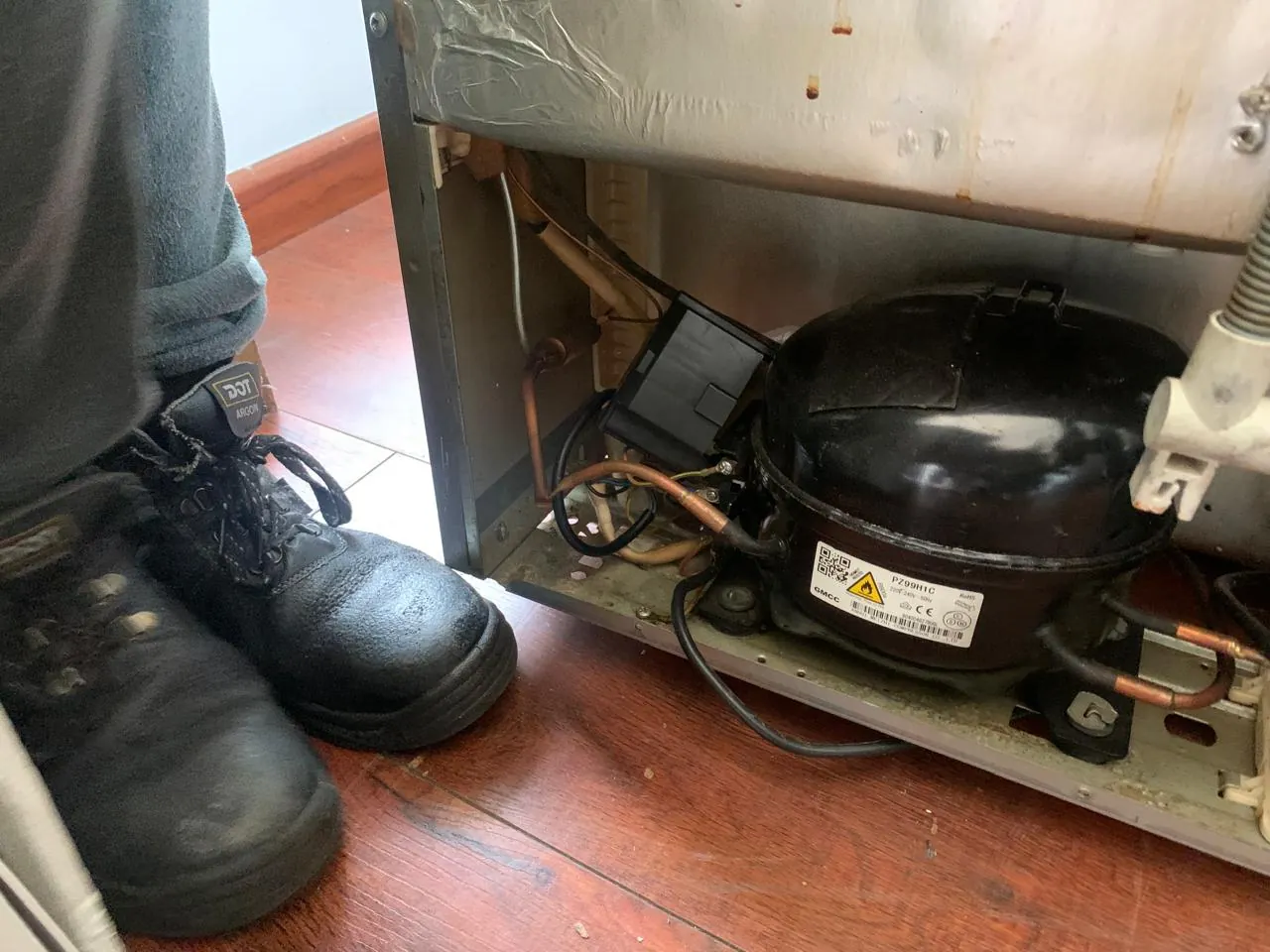
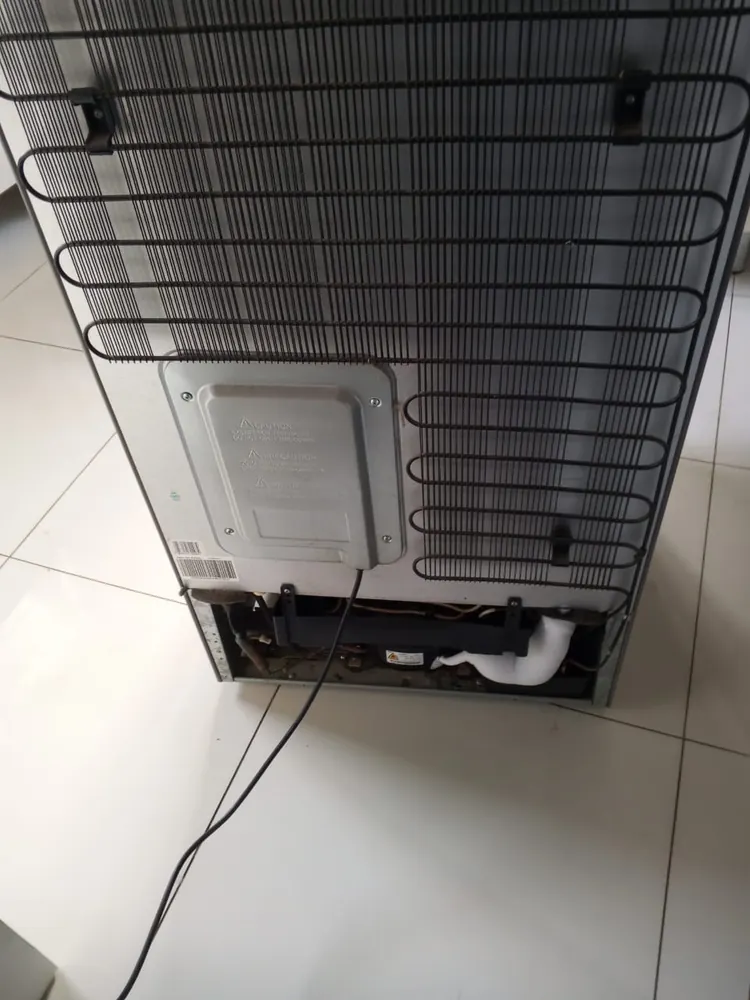
We inspect the parts and operating conditions behind the problem, identify the cause and discuss the repair needed to get your equipment working properly.
How we investigate the underlying fault
We pay particular attention to the condenser environment when the cooling equipment runs in a dusty or enclosed service area. Airflow obstruction can raise operating temperatures, but a condenser cleaning alone may not address electrical trips or a defrost alarm. We use temperature logs, defrost information and the condition of the evaporator to determine the likely next steps. The goal is to identify the failing function before authorising parts.
For this cold room repairs enquiry in Pretoria West, the reported problem must be checked against the equipment model and conditions at the property. We will establish an appropriate diagnostic scope, explain what can be resolved onsite and discuss any additional parts or specialist work before asking you to authorise a repair. If the fault has interrupted normal use, tell us what has stopped working and whether the appliance can safely remain off while service is arranged.
Further checks that shape the repair decision
Cold-room performance must be judged against the required operating temperature, the load being stored and the pattern of usage. A controller reading at a single point does not describe every shelf or product. Door traffic introduces heat and humidity; an iced evaporator impedes circulation; dirty condensing equipment and failing fans reduce capacity. We evaluate these interacting conditions while following the site operator’s product-protection plan and relevant food or product safety requirements.
Pretoria West cold rooms situated beside workshops or dusty yards can have condenser ventilation restrictions that develop slowly. Describe whether the fault follows hot working periods, whether the coil has been cleaned recently and whether fans sound different from normal. A defrost alarm accompanied by heavy ice may involve timing, sensors or warm-air ingress instead. Preserve the alarm record and do not repeatedly reset the machine to keep stock cooling temporarily. Early access to the model information and plant location helps us discuss an appropriate inspection.
Choosing a sensible repair rather than a quick guess
For commercial refrigeration, an apparently quick reset can delay the proper diagnosis and create another interruption later. We discuss alarm history, defrost intervals, equipment access and any previous repair attempts. When a failure threatens perishable stock, the immediate priority is safe storage decisions by the responsible operator. Repair proposals should then address the source of the cooling loss, available replacement parts, and any need for a suitably qualified refrigeration practitioner.
Preparing for a visit in Pretoria West
Send the latest temperature log, equipment model, alarm history and site operating hours. Protect temperature-sensitive stock under your existing safety procedures while the cooling problem is investigated.
We operate throughout the wider Pretoria and Centurion service area. Tell us the exact address, equipment brand, model if available and a contact number. We confirm appointment availability and any applicable charges before work is agreed; urgent attendance is subject to scheduling.
Follow the site food-safety or product-protection plan, monitor temperatures, segregate affected stock and avoid assuming food is safe simply because the display later recovers. Do not bypass high-pressure, temperature or electrical protective controls. Record alarms and whether other equipment is operating normally.
Our related services and local coverage
For the full equipment scope, visit Cold room repairs in Pretoria. To compare nearby coverage, explore appliance repairs in Pretoria West, or browse our recent work gallery.